
opinions

Selecting the "Correct" Opposition: The Decree that Ate the Legislature
The presidential revocation of 47 SPLM-IO Members of Parliament marks a definitive crisis for the 2018 Revitalised Peace Agreement. By asserting executive authority to reshape the opposition’s legislative wing, President Salva Kiir has not merely engaged in a personnel shuffle; he has challenged the foundational principles of power-sharing and collegial collaboration. In doing so, the Presidency has exposed a dangerous gap between the "Supreme Law" of the land and the political reality of rule by decree, threatening to turn the 2026 transition into an institutional dead end.
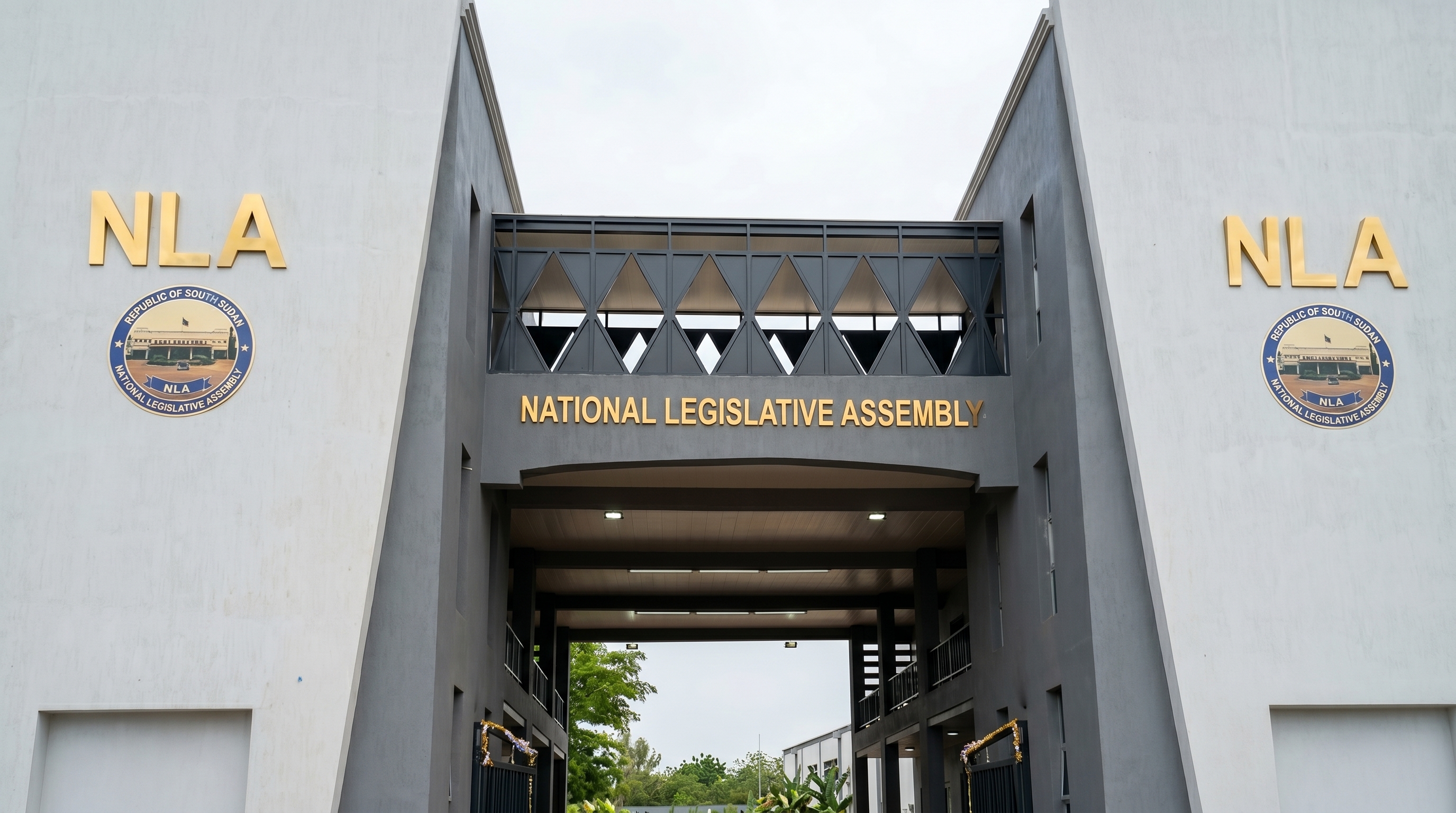
The Ghost Ledger: How South Sudan has Entered a State of Total Fiscal Suspension
South Sudan has transitioned from a state of procedural delay to one of total fiscal suspension, attempting to authorize a 2025-2026 budget for a year that has functionally elapsed while ignoring the looming 2026-2027 statutory deadline. The executive branch has replaced formal financial oversight with a series of summary removals, resulting in the rapid displacement of ten Finance Ministers in recent years and the displacement of the head of the legislature. This institutional decay leaves the national treasury operating in a legal vacuum where public expenditure proceeds without the mandate of an active Appropriation Act.
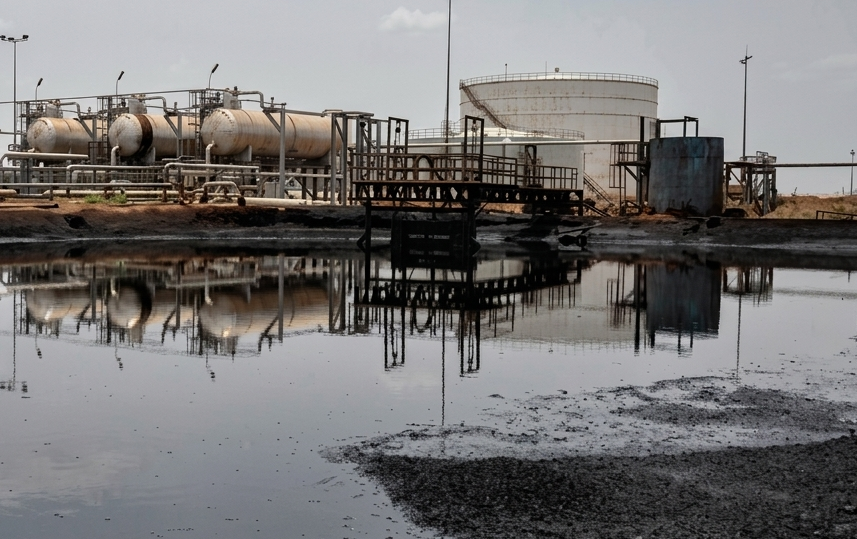
Toxic Defiance: How South Sudan Is Ignoring the Law and Poisoning its Future
The Republic of South Sudan remains in breach of a landmark mediated settlement to remediate catastrophic oil pollution in its northern wetlands. Despite a 2021 East African Court of Justice decree, the government’s failure to properly audit toxic spills has sparked a new legal crisis over regional treaty compliance.