
Sanctioned By the African Union, South Sudan Has Lost Its Floor and Votes. Paralysed For The Upcoming AU Summit
The Index Post
June 9, 2026
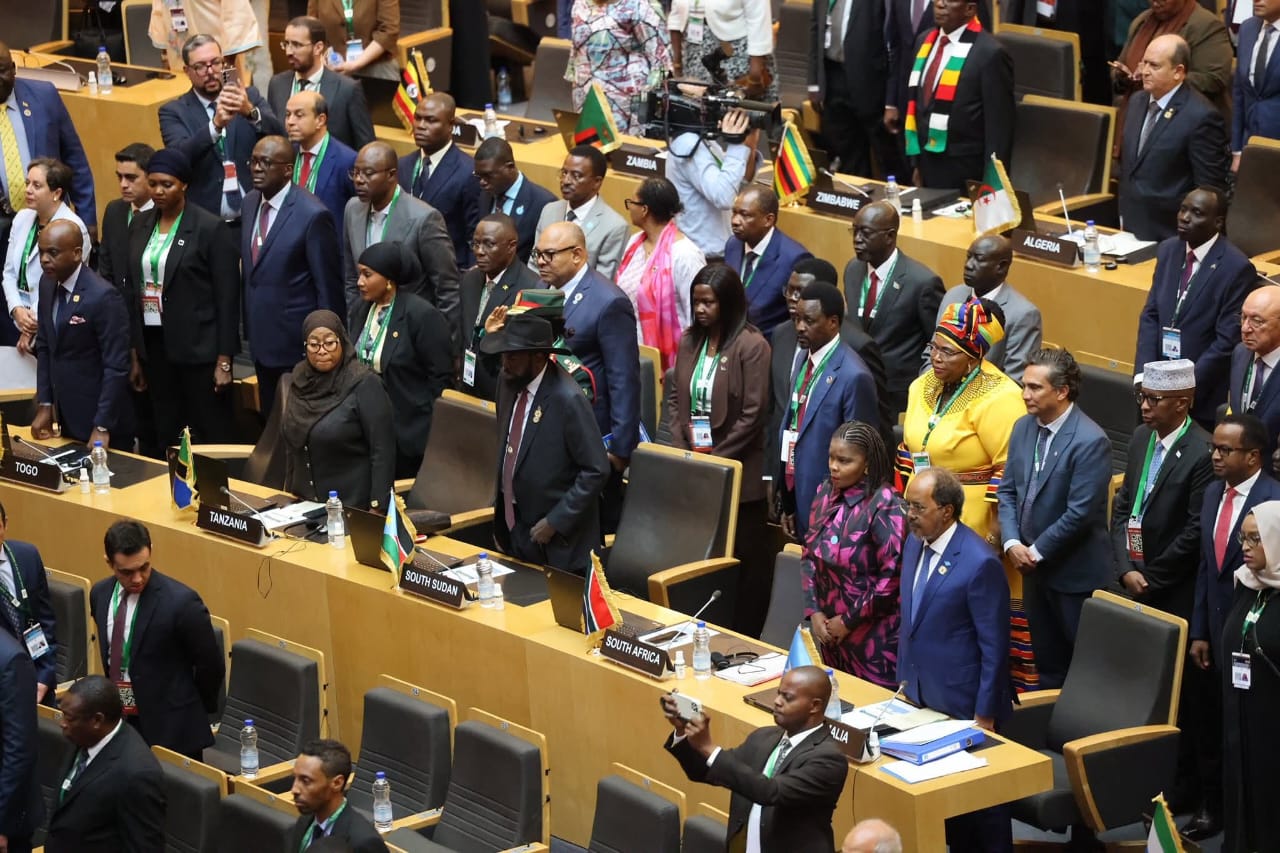
President Salva Kiir attending the AU Head of States Assembly Mueeting in Addis Ababa in February 2026. Courtesy image
Addis Ababa - In the world of continental diplomacy, silence is the ultimate penalty. As African foreign ministers and heads of state gather in El Alamein, Egypt, for the 49th Ordinary Session of the Executive Council and the 8th Mid-Year Coordination Meeting later this month, South Sudan’s delegation will find its institutional influence reduced to zero. Following a landmark decision during the 48th Ordinary Session in February 2026, the African Union (AU) moved South Sudan, alongside São Tomé and Principe, into the "Intermediate Sanctions" bracket, effectively gagging its representatives in open plenary sessions.
South Sudan’s predicament is the result of an institutional evolution within the AU that has traded political solidarity for a "cold arithmetic" of fiscal discipline. Traditionally, heads of state shielded one another from penalties through backroom deals. However, under decision Dec.802(XXXIV), adopted in 2021, the AU Assembly permanently delegated its sanctioning authority to the Executive Council. This shift automated the continental penal system, turning budget arrears into a technical trigger for diplomatic isolation.
The immediate impact is a "diplomatic chokehold". Under Intermediate Sanctions—triggered by remaining in arrears for a full year—a state is deprived of the right to take the floor, make verbal contributions, or present proposals. Juba is now barred from serving in the Bureau of any AU organ and South Sudanese are prohibited from participating in official election or human rights observation missions. This loss of leverage comes at a critical juncture for South Sudan’s government, which is currently navigating a fragile political transition and seeking continental support to lift international arms embargoes.
The fiscal threshold for this exclusion is relatively low in the context of state budgets but remains insurmountable for a nation in crisis. South Sudan’s outstanding debt to the AU regular budget and peace funds is estimated to be between $3 million and $6 million. While the nation has historically cleared larger arrears—peaking at $9.1 million in previous cycles—its current default coincides with severe macroeconomic shocks. Infrastructure bottlenecks affecting oil export lifelines and acute foreign exchange shortages have crippled the Ministry of Finance’s ability to remit funds. But this is not news to South Sudanese. The nation was previously sanctioned by the UN for similar financial default, and nearly got sanctioned by the East African Community where it continues to default. Domestically, the government has been operating for nearly a full calendar year without a sanctioned budget from the parliament and civil servants have gone for several months without salary payment; and much more.
However, the AU’s automated legal architecture remains indifferent to these domestic crises. The Union’s lack of leniency is bolstered by a high baseline of continent-wide compliance; in 2025, the AU reported an 84% performance rate in budget collection, totaling nearly $168 million. Because the vast majority of member states are meeting their obligations despite their own economic headwinds, the institutional tolerance for Juba’s persistent default has dropped to zero.
The exclusion is made more bitter by the "asymmetry of institutional grace" granted to others. While South Sudan faces statutory penalties, the Federal Republic of Somalia, another defaulting partner at the East African Community—which also failed to comply with a structured payment plan to clear $1.7 million in back-dues—has merely been "encouraged" to fulfill its commitments. This suggests that while the sanctions framework is legally automated, the AU still exercises discretion for states anchored in massive continental security frameworks. South Sudan, lacking Somalia’s current strategic security leverage, has found no such reprieve.
The clock is now ticking toward a more permanent severance. If South Sudan fails to clear its dues for a second consecutive year, it will trigger "Comprehensive Sanctions". This would entail a total administrative suspension, barring the nation from all AU meetings and sessions. For the South Sudanese people, this represents an erosion of sovereignty; their leaders are becoming silent spectators in the very institution tasked with championing their interests. As the summits in Egypt begin, the message from the AU headquarters is punchy and precise: the Union expects cash, not excuses. For South Sudan, the cost of membership has never been higher, and the price of silence never more apparent.
More from The Index Post

South Sudan Government's Policy Stagnation Fuels Another UN Sanctions Extension
Every uninvestigated atrocity, every warlord integrated into the state payroll without accountability, strengthens the hand of those in New York and other capitals who argue that sanctions must not only continue but be tightened. Washington maintains that any influx of weapons into a fractured polity where commanders have repeatedly turned arms on civilians would inevitably escalate internal strife. Juba’s envoys, tasked with making the case for relief, are left with a brief devoid of deliverables, forced to rely on appeals to sovereignty that sound increasingly hollow when the sovereign in question cannot control its own military or protect its own citizens.
Juba Retreats from Unilateral Peace Deal Amendment After Western Pressure
South Sudan's cabinet abandoned a controversial plan to weaken the legal authority of the 2018 peace agreement following severe international backlash. The reversal preserves the deal’s status as the supreme legal framework ahead of the country's planned 2026 general elections.

ACHPR Ruling on South Sudan Nationality Case Sets New Precedent for African Citizenship Rights
The African Commission ruled South Sudan’s arbitrary stripping of a high-level official’s nationality—leaving her stateless—violated the African Charter’s dignity clause, and setting a new precedent for citizenship rights in Africa.

Kenya’s Judicial Service Commission Pushes for Data-Driven Accountability of Judges
The Kenyan Judiciary is transitioning to a transparent framework that mandates the publication of individual performance data for judges to ensure constitutional accountability. This shift requires court leadership to prioritize metrics like case clearance rates and public perception to maintain the institutional record.

Selecting the "Correct" Opposition: The Decree that Ate the Legislature
The presidential revocation of 47 SPLM-IO Members of Parliament marks a definitive crisis for the 2018 Revitalised Peace Agreement. By asserting executive authority to reshape the opposition’s legislative wing, President Salva Kiir has not merely engaged in a personnel shuffle; he has challenged the foundational principles of power-sharing and collegial collaboration. In doing so, the Presidency has exposed a dangerous gap between the "Supreme Law" of the land and the political reality of rule by decree, threatening to turn the 2026 transition into an institutional dead end.

SOUTH SUDAN JUDICIARY MANDATES ENGLISH FOR COURT JUDGMENTS: A DRAMATIC LEGAL PIVOT TOWARD THE EAST AFRICAN COMMUNITY
All judges in the Republic of South Sudan shall write their judgments in English with effect from 1st June, 2026, the Chief Justice declared.

Kenyan Court Deals Blow to Bank of South Sudan as Millions are Seized for State Debt
In a dramatic ruling that underscores the vulnerability of sovereign assets, the Kenyan Court of Appeal has paved the way for a landmark legal battle over central bank independence—even as it admitted the specific funds at the heart of the dispute have already vanished.
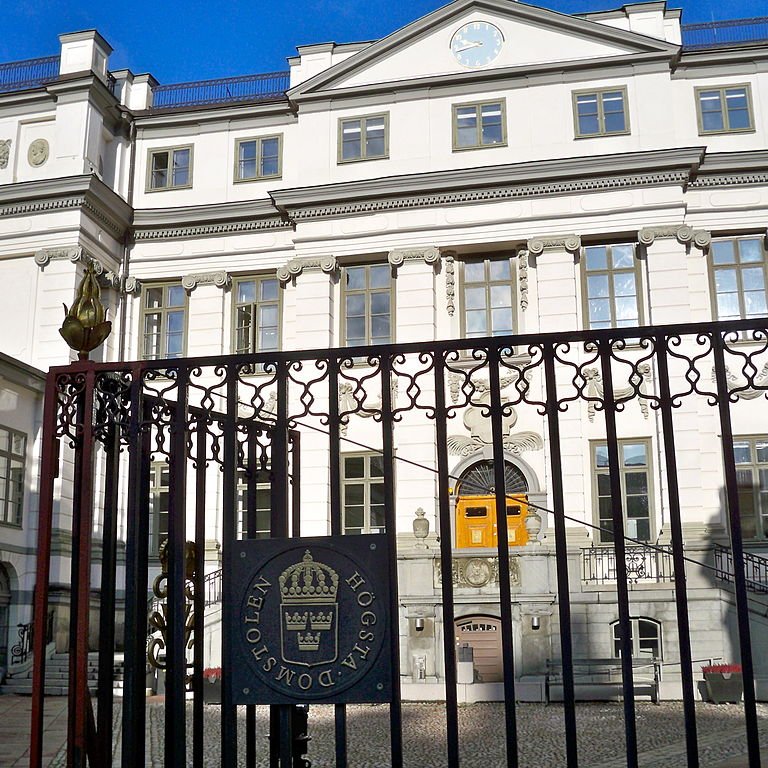
The South Sudan Blood Oil Trial in Sweden Nears Its Judgment
After a historic three-year legal battle, corporate executives face a definitive reckoning over their alleged complicity in a brutal resource war. Stockholm prosecutors have concluded their closing arguments, seeking multi-year prison sentences for two former Lundin Oil executives accused of aiding and abetting war crimes in Sudan between 1999 and 2003, before South Sudan’s independence.
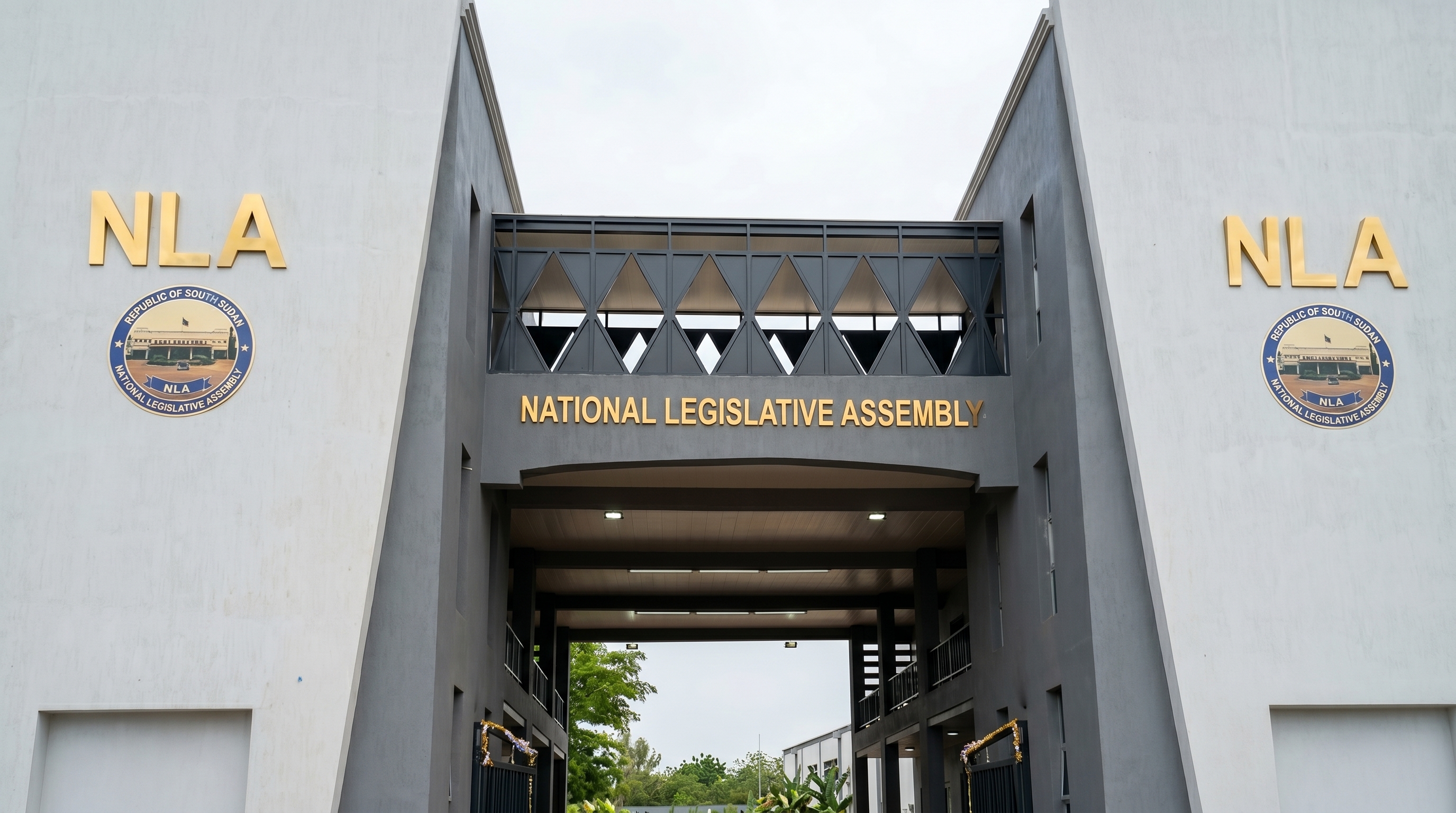
The Ghost Ledger: How South Sudan has Entered a State of Total Fiscal Suspension
South Sudan has transitioned from a state of procedural delay to one of total fiscal suspension, attempting to authorize a 2025-2026 budget for a year that has functionally elapsed while ignoring the looming 2026-2027 statutory deadline. The executive branch has replaced formal financial oversight with a series of summary removals, resulting in the rapid displacement of ten Finance Ministers in recent years and the displacement of the head of the legislature. This institutional decay leaves the national treasury operating in a legal vacuum where public expenditure proceeds without the mandate of an active Appropriation Act.
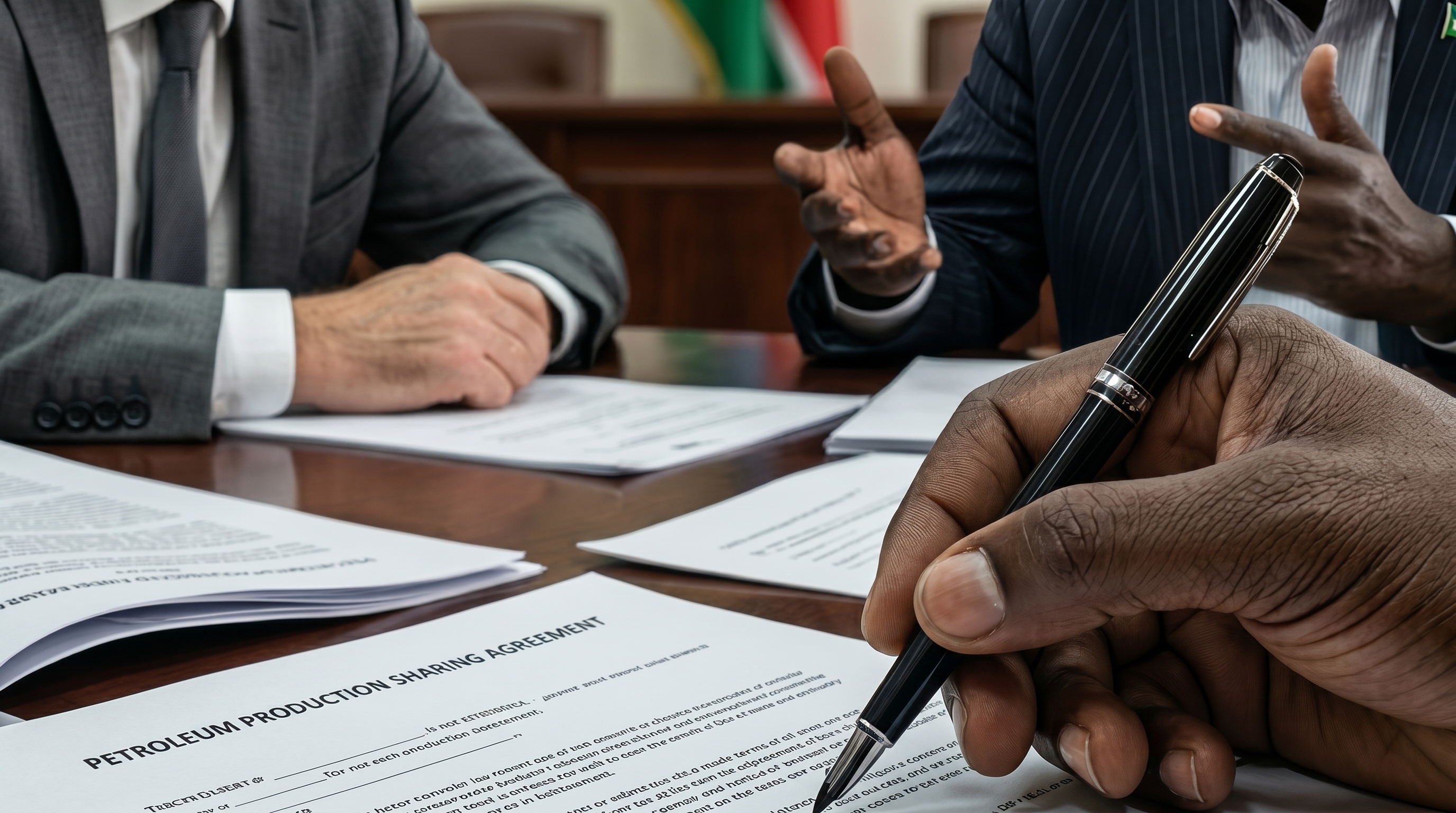
HOW SOUTH SUDAN'S CONSTANT CONTRACT BREACHES GIVE RISE TO $2B PLUS INDEFENSIBLE LEGAL BATTLE
The Republic of South Sudan is drowning in over $2.3 billion of international litigation sparked by a systemic culture of contractual bad faith and administrative paralysis. Despite progressive investment laws on the books, Juba’s habit of ignoring signed settlements and arbitrarily seizing assets has transformed the nation into a primary "no-go" zone for global capital.

South Sudan’s Defiance of the ACHPR Ruling Illegally Profits Terab Radio 87.6 FM
In its latest ruling, the African Commission condemned South Sudan for state-sanctioned land grabs, but Juba had already turned the illegally seized site into government-backed radio 87.6 Terab FM, hosting ministers and laundering the violation into a private asset for Mading Ngor Akec.
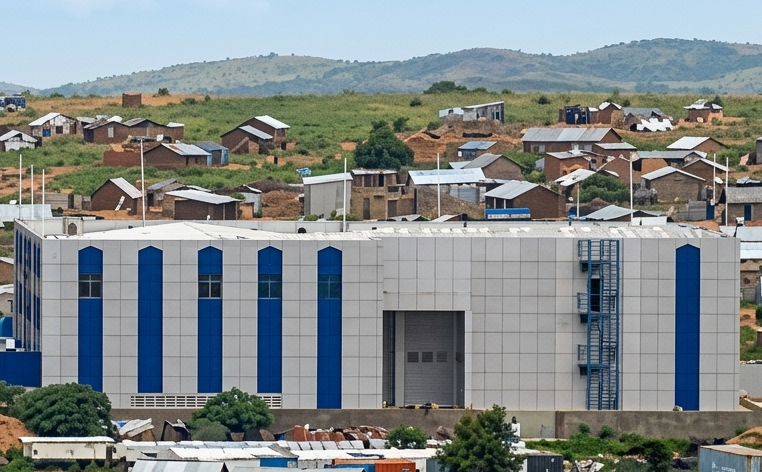
The Blue House in Court: South Sudan’s Widely Condemned National Security Law Faces EACJ Reckoning
The East African Court of Justice is weighing a pivotal challenge to South Sudan’s National Security Service Amendment Act, which preserves warrantless arrest powers despite constitutional safeguards—a key test (Reference No. 43 of 2024) of regional judicial supremacy over domestic repression laws.
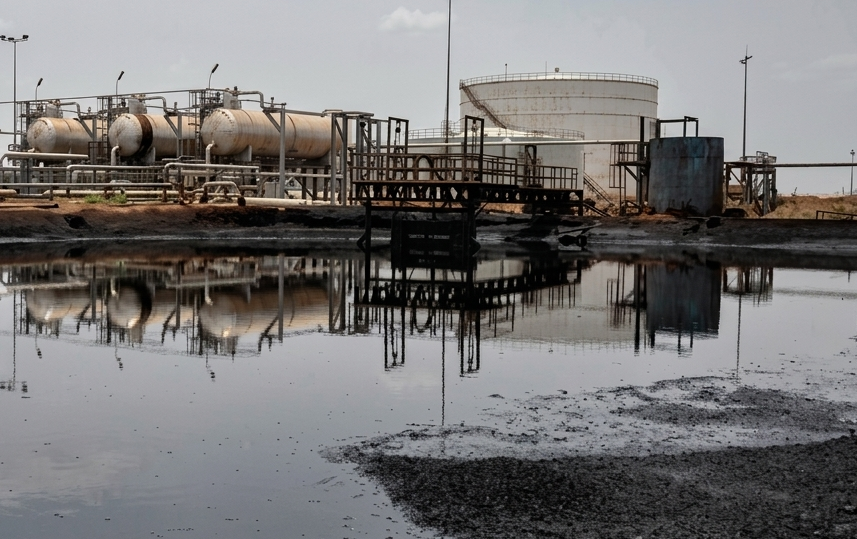
Toxic Defiance: How South Sudan Is Ignoring the Law and Poisoning its Future
The Republic of South Sudan remains in breach of a landmark mediated settlement to remediate catastrophic oil pollution in its northern wetlands. Despite a 2021 East African Court of Justice decree, the government’s failure to properly audit toxic spills has sparked a new legal crisis over regional treaty compliance.

AU Peace and Security Council Reiterates Call for the Release of First Vice President Riek Machar
Following its 1343rd meeting held on April 30, 2026, AU Peace and Security Council Calls for the Release of First Vice President Riek Machar from Detention in Juba.
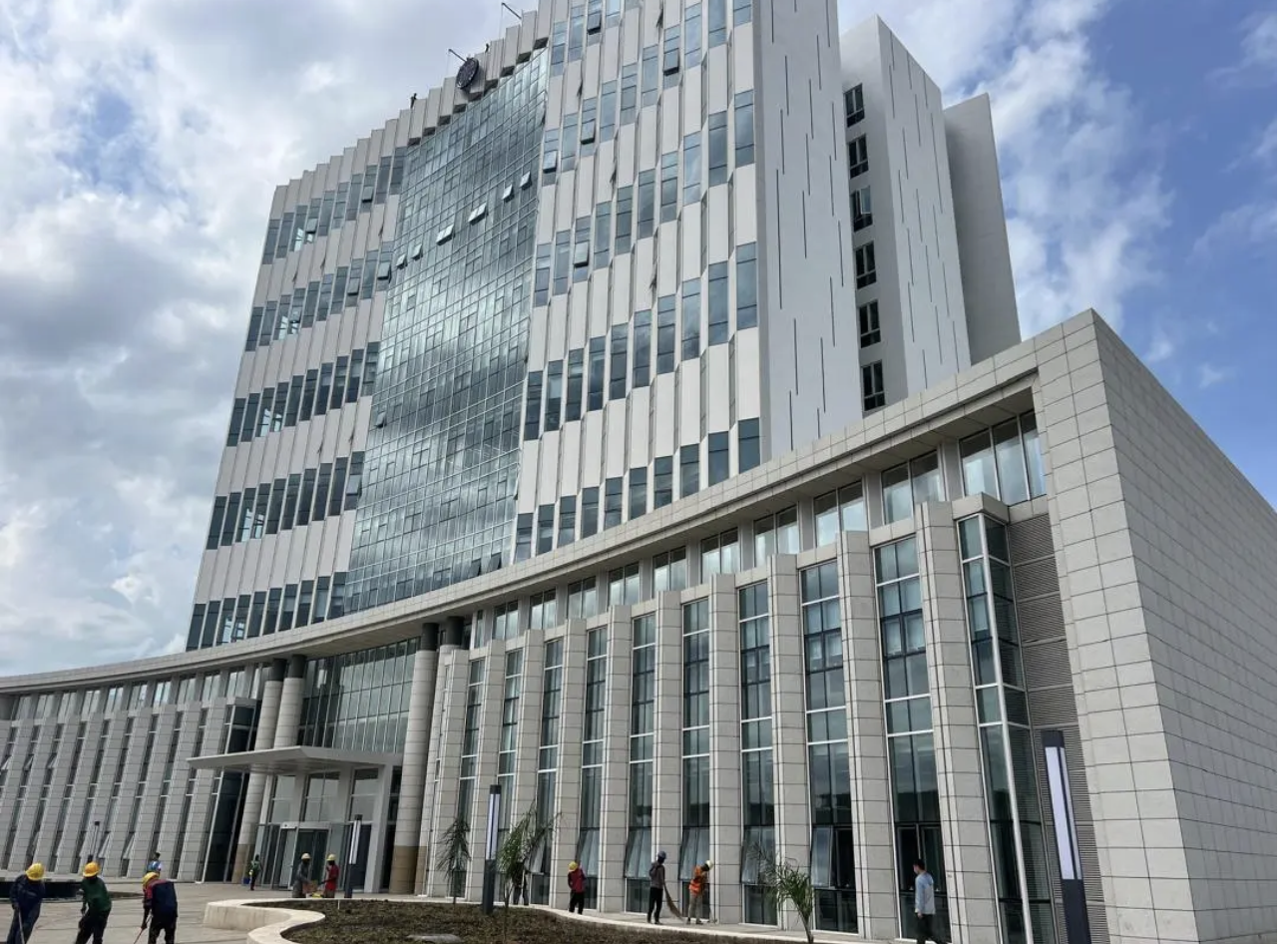
D.C. District Court Rejects South Sudan’s Motion to Strike, Ordering May 8 Response to QNB’s Evidence
Judge Timothy denied the Bank of South Sudan’s motion to strike, permitting Qatar National Bank’s late-filed statement of facts to remain on the record, in a high-stakes $1 billion enforcement battle involving sovereign default and allegations of state control.
How Michael Makuei Nearly Torched South Sudan’s Peace Accord
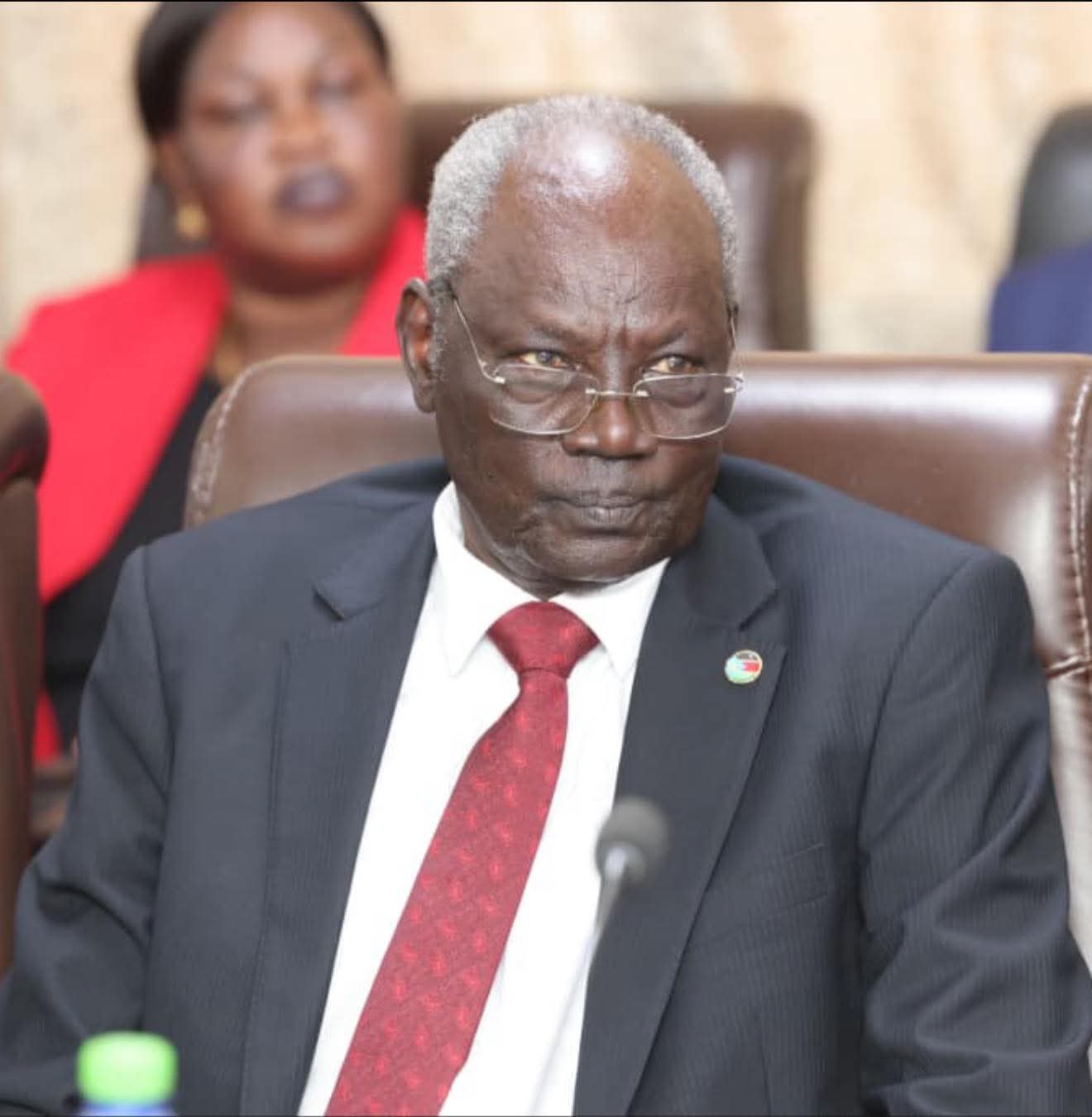
In a high-stakes gamble that bordered on institutional suicide, Justice Minister Michael Makuei Lueth attempted to dismantle the very legal framework that grants South Sudan’s government its authority. By branding the 2018 peace agreement “originally defective” and moving to bypass mandatory international oversight, Makuei didn’t just trigger a constitutional crisis—he attempted a "legal coup”. The maneuver has backfired, leaving the transitional government in a state of terminal paralysis, rejected by its own submissive parliament and stripped of its remaining domestic and international credibility.
South Sudan Embarks on Recruiting More Judges, More than a Hundred Interviewed So Far
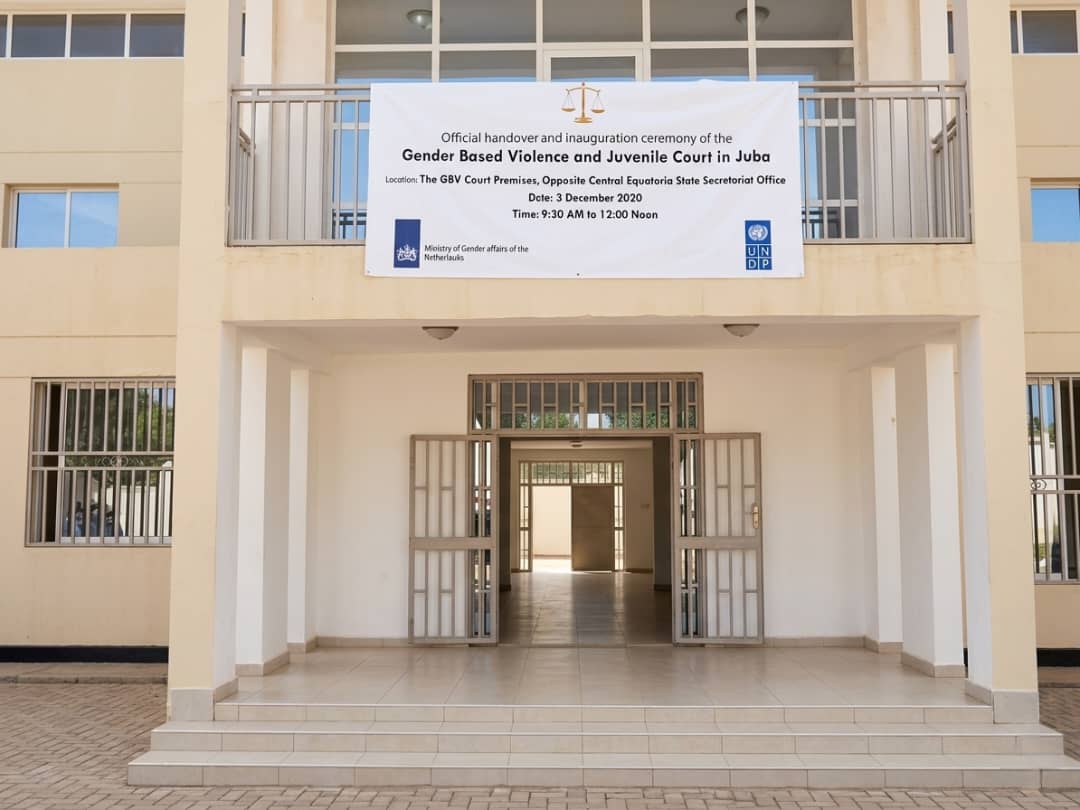
South Sudan is filling more than 100 judicial vacancies under a 2008 obsolete legal framework. While the government frames this recruitment as a necessary expansion ahead of the December 2026 elections, the process is unfolding without the institutional reforms mandated by the 2018 peace agreement. This vacuum of oversight suggests the new bench may serve as a political instrument of the executive rather than an independent arbiter of the rule of law.