
South Sudan Government's Policy Stagnation Fuels Another UN Sanctions Extension
The Index Post
June 6, 2026

Courtesy: UN
UNITED NATIONS — In a diplomatic ritual that has come to define the nation’s relationship with the international community, the United Nations Security Council has formalised a twelve-month extension of its punitive architecture against South Sudan, keeping arms embargoes and individual financial sanctions firmly in place until the end of May 2027. The procedural vote, which saw nine members in favour and six abstaining, delivered no outright veto but laid bare the profound failure of South Sudan’s government to break out of a cycle of isolation, mistrust and internal paralysis that successive administrations have proven unable — or unwilling — to reverse.
Resolution 2821, adopted in a chamber visibly divided, preserves the existing prohibitions on the transfer of military hardware, technical combat support and munitions into South Sudanese territory, alongside a global asset freeze and travel ban on a roster of individuals whose names have become a permanent fixture of the Council’s sanctions machinery. The measure not only underscores the enduring perception that South Sudan’s leadership lacks the political will to meet even minimal standards of reform, but also highlights a diplomatic corps that has comprehensively failed to persuade key capitals — including African allies — that Salva Kiir’s government is a partner worthy of trust rather than a chronic management problem.
The voting arithmetic tells its own story. The resolution’s sponsors, led by the United States, secured the necessary support, but six governments — Russia, China, Somalia, the Democratic Republic of the Congo and Liberia — pointedly refused to endorse the text. No member cast a negative vote, yet the high abstention count signalled the Council’s split, with Moscow and Beijing condemning what they regard as a Western-driven punitive reflex, and the three African members of the Council breaking ranks with the penholder. For Juba, the inability to convert any of those abstentions into a “no” vote, or to rally a unified African position that could have reshaped the debate, represents a collapse of the most basic tool of statecraft: the capacity to build a blocking coalition in the very forum that decides its international legitimacy.
The diplomatic failure is rendered even starker by the content of the sanctions regime itself. Years of lobbying by South Sudanese envoys have failed to secure the removal of a single name from the global blacklist. The roster remains frozen in time, populated by the same military and political figures originally designated for orchestrating large-scale offensives, breaching ceasefire agreements, obstructing humanitarian access and committing atrocities against civilians. That this list has survived unaltered through successive renewals is not merely a verdict on the individuals concerned; it is an indictment of a government that has been unable to demonstrate accountability, reform its security sector, or present a credible case that the circumstances that triggered the designations have changed. The sanctions have become a mirror reflecting Juba’s own stagnation. Unsurprisingly, any negative vote would have delivered a permanent shame and condemnation by South Sudanese civil society, considering the endless crises in South Sudan, driven by the government’s own negative actions.
The Registry of the Sanctioned
The international community maintains a multi-layered sanctions regime against South Sudanese nationals. While the United Nations manages a global list, individual Western jurisdictions like the European Union and the United States maintain autonomous trackers that include additional names not covered by the global body.
UN-Designated Individuals (Global Asset Freeze and Travel Ban)
These individuals are recognized by all 193 UN member states as being under legal restriction:
- Paul Malong Awan Anei: The former Chief of Staff of the national army, sanctioned for ordering military offensives that breached ceasefire protocols and humanitarian laws.
- Malek Reuben Riak Rengu: A former senior logistics official in the military, designated for his role in planning the 2015 offensives in Unity State and mismanaging public resources.
- Gabriel Jok Riak Makol: A former sector commander accused of leading forces in violations of the 2014 cessation of hostilities agreement.
- Santino Deng Wol: The current Chief of Defense Forces of the SSPDF and a former division commander identified for directing destructive operations in Unity State involving attacks on civilian infrastructure.
- Simon Gatwech Dual: The former chief of the armed opposition and current leader of a breakaway faction, sanctioned for sabotaging political mediation and targeting civilians.
- James Koang Chuol: An opposition commander cited for leading offensives against civilian property and humanitarian hubs in oil-rich regions.
- Peter Gadet: Although deceased, he remains on the registry to facilitate the tracing of assets related to his leadership in the 2014 Bentiu massacre.
Individuals Under Unilateral EU and Western Sanctions
In addition to those on the UN list, the European Union and other Western nations have applied their own restrictive measures to the following figures:
- James Mark Nando: Added to the EU registry in July 2023 under human rights regimes.
- Gordon Koang Biel: Listed by the EU in March 2023 for human rights violations.
- Gatluak Nyang Hoth: Placed under EU asset freezes and travel bans in early 2023.
- Gabriel Moses Lokujo: Designated by the EU in March 2021.
- Michael Makuei Lueth: The current Minister of Justice, who remains sanctioned by Western nations such as the United States and United Kingdom, though he is currently protected from the UN global list by diplomatic splits within the Security Council.
- Martin Elia Lomoro: The current Minister of Cabinet Affairs is also under Western sanctions.
- Kuol Manyang Juk: The current Senior Presidential Advisor is as well under the West sanction list.
- Benjamin Bol Mel: The former Vice President, who is now in detention, is also under Western sanctions.
The presence of serving cabinet ministers and senior advisors on Western blacklists, even when shielded from the universal UN system by the geopolitical fissures within the Council, reveals a government whose most senior figures remain toxic to key bilateral partners. For a country that relies heavily on donor assistance and foreign investment, harbouring sanctioned officials at the apex of power is a foreign policy choice that carries heavy consequences. It signals to Washington, London and Brussels that the South Sudan government is either unable to distance itself from individuals linked to serious rights violations, or that the political calculus inside the presidency prizes internal factional management above international rehabilitation.
This disconnect between domestic political imperatives and external credibility runs through the entire architecture of South Sudan’s engagement with the world. The Council’s renewal resolution is built around five fundamental benchmarks, established years ago, that were supposed to chart a path toward the easing of restrictions. They demand a comprehensive overhaul of the national security apparatus, the genuine unification of rival armed factions into a single professional army, verifiable programmes for disarmament and the social reintegration of former combatants, effective management of state armouries, and demonstrable progress in prosecuting those responsible for sexual and gender-based violence in conflict. On every single metric, the Secretary-General’s latest assessment described the preceding year as one of the bleakest since the 2018 peace accord was signed — a period of profound stagnation when the political class appeared to move backwards rather than forwards.
The foreign policy failure here is not passive; it is the active inability of the government in Juba to translate the rhetoric of the Revitalised Peace Agreement into measurable outcomes that would unlock a different relationship with the Council. Every unmet benchmark is a diplomatic asset squandered. Every delayed graduation of unified forces, every uninvestigated atrocity, every warlord integrated into the state payroll without accountability, strengthens the hand of those in New York and other capitals who argue that sanctions must not only continue but be tightened. Juba’s envoys, tasked with making the case for relief, are left with a brief devoid of deliverables, forced to rely on appeals to sovereignty that sound increasingly hollow when the sovereign in question cannot control its own military or protect its own citizens.
The diplomatic exchange around the vote crystallised this asymmetry. The American delegation was unusually blunt, naming President Salva Kiir directly as a primary obstacle to reform and pointing to the surreal contradiction of a peace process that claims progress while key political figures remain under state-enforced confinement or face politically motivated prosecutions. South Sudan’s representative, in turn, expressed deep regret, characterising the sanctions as an outdated tool that ignores current security realities and pleading with the Council to heed the African Union and regional blocs that have increasingly advocated for a phased lifting of the embargo to permit state-building and electoral preparations.
Yet even that appeal to regional solidarity fell flat. The three African members of the Council — Somalia, the DRC and Liberia — did not vote to support the resolution, but nor did they vote against it. They abstained, signalling disquiet but not a decisive break. Juba’s diplomacy, which might have been expected to leverage historical ties, shared regional anxieties and the Peace and Security Council’s pronouncements into a cohesive blocking minority, failed to convert any of those complex relationships into concrete protection. Moscow and Beijing, for their part, railed against what they see as a Western obsession with blaming the transitional government while ignoring the logistical hurdles South Sudan faces in acquiring even basic security materiel, yet they too stopped short of deploying their veto. The arms embargo, now eight years old, was denounced by China as a hindrance to stability rather than a tool for peace, but Beijing’s abstention left the door open for its continuance — a diplomatic outcome that serves no one’s narrative fully but Juba’s least of all.
The arms embargo itself lies at the heart of the unresolved tension between state sovereignty and international protection. Proponents, led by Washington, maintain that any influx of weapons into a fractured polity where commanders have repeatedly turned arms on civilians would inevitably escalate internal strife and endanger the already fragile political transition. Juba and its allies counter that the ban unfairly shackles a legitimate government’s ability to defend its territory, maintain internal order and protect citizens from decentralised armed groups that operate beyond the reach of any peace deal. The debate is not new, but the lack of movement suggests a foreign policy failure of strategic dimensions: the government has been unable to establish the arms control, stockpile management and unified command structures that would convince sceptical capitals that it could be trusted with an unrestricted weapons pipeline.
Looking ahead, the Security Council has mandated a rigorous evaluation of South Sudan’s compliance, to be conducted by April 2027, drawing on reporting from the UN mission on the ground and a specialised panel of experts. Juba is required to submit its own account of efforts to meet the benchmarks — a document that will be scrutinised for evidence of genuine reform or merely bureaucratic performance. Yet the outlook is grim. The same geopolitical divisions that produced a nine-to-zero-to-six vote will persist, and the domestic incentives inside South Sudan’s political economy still reward the very fragmentation and impunity that the sanctions are designed to curb. Unless the presidency undertakes a radical reordering of its political priorities — sidelining sanctioned hardliners, delivering justice for conflict-related sexual violence, and ceding real control over security sector unification to a credible, externally monitored mechanism — the 2027 review is likely to produce another rollover, another speech of regret from the South Sudanese envoy, and another chapter in the chronicle of a foreign policy that mistakes survival for statecraft.
For now, South Sudan remains trapped in a paradox of its own making. The same individuals remain on the same lists, the same military bans define its relationship with the international community, and the same cycle of diplomatic defensiveness and internal drift precludes the breakthroughs that could change the dynamic. The extension of sanctions is not simply a decision taken in New York; it is the price of a foreign policy that has failed to deliver reform at home, to build alliances abroad, and to convince a divided Council that South Sudan is ready to be treated as a normal state. Until that changes, the resolutions will keep passing, the names will stay frozen, and the aspirations of a nation born with such international goodwill will remain buried under the weight of its own unkept promises.
More from The Index Post
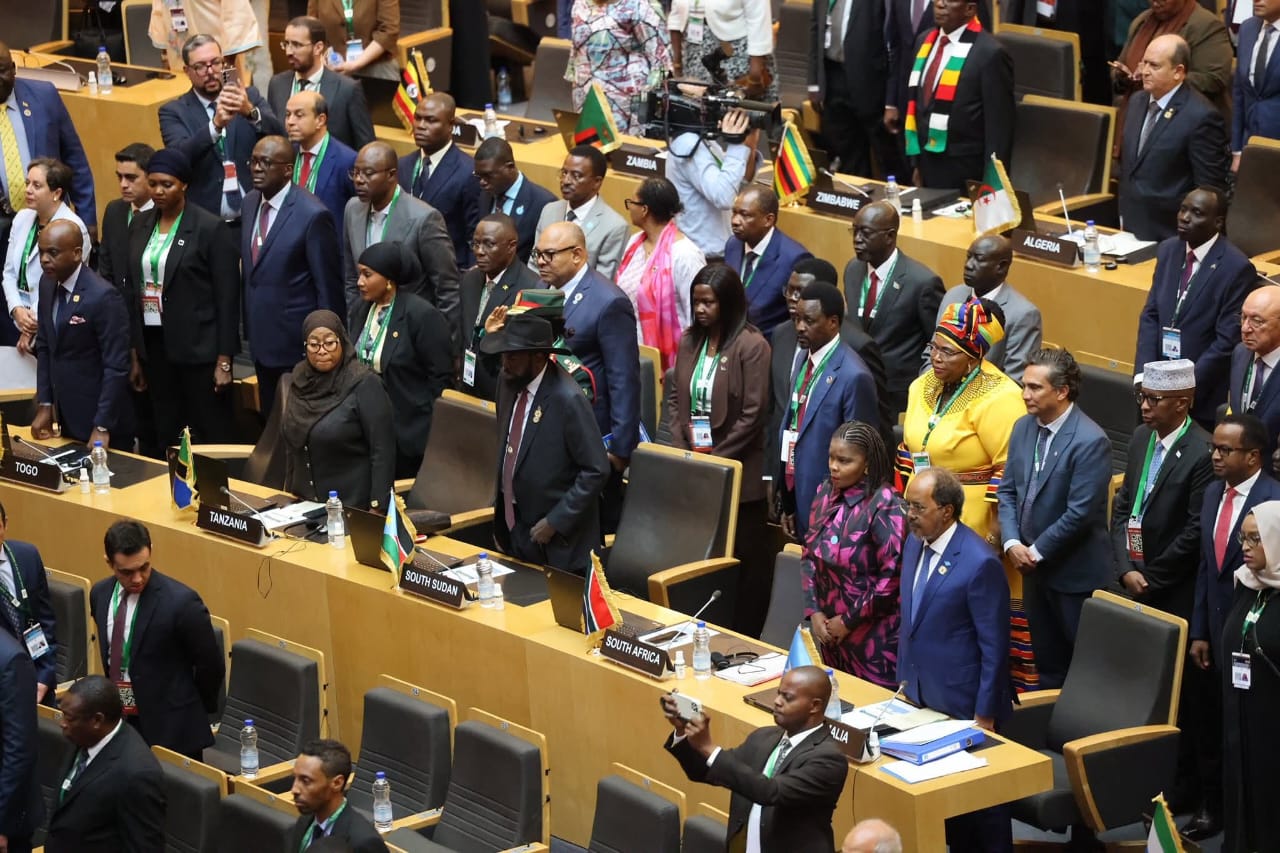
Sanctioned By the African Union, South Sudan Has Lost Its Floor and Votes. Paralysed For The Upcoming AU Summit
South Sudan enters this month’s high-level summits in Egypt as a diplomatic ghost, stripped of its right to speak or vote following a February decision by the African Union to enforce rigid financial sanctions. Unless Juba clears arrears estimated between $3 million and $6 million, the world’s youngest nation faces a total administrative freeze and the loss of its membership rights by 2027.
Juba Retreats from Unilateral Peace Deal Amendment After Western Pressure
South Sudan's cabinet abandoned a controversial plan to weaken the legal authority of the 2018 peace agreement following severe international backlash. The reversal preserves the deal’s status as the supreme legal framework ahead of the country's planned 2026 general elections.

ACHPR Ruling on South Sudan Nationality Case Sets New Precedent for African Citizenship Rights
The African Commission ruled South Sudan’s arbitrary stripping of a high-level official’s nationality—leaving her stateless—violated the African Charter’s dignity clause, and setting a new precedent for citizenship rights in Africa.

Kenya’s Judicial Service Commission Pushes for Data-Driven Accountability of Judges
The Kenyan Judiciary is transitioning to a transparent framework that mandates the publication of individual performance data for judges to ensure constitutional accountability. This shift requires court leadership to prioritize metrics like case clearance rates and public perception to maintain the institutional record.

Selecting the "Correct" Opposition: The Decree that Ate the Legislature
The presidential revocation of 47 SPLM-IO Members of Parliament marks a definitive crisis for the 2018 Revitalised Peace Agreement. By asserting executive authority to reshape the opposition’s legislative wing, President Salva Kiir has not merely engaged in a personnel shuffle; he has challenged the foundational principles of power-sharing and collegial collaboration. In doing so, the Presidency has exposed a dangerous gap between the "Supreme Law" of the land and the political reality of rule by decree, threatening to turn the 2026 transition into an institutional dead end.

SOUTH SUDAN JUDICIARY MANDATES ENGLISH FOR COURT JUDGMENTS: A DRAMATIC LEGAL PIVOT TOWARD THE EAST AFRICAN COMMUNITY
All judges in the Republic of South Sudan shall write their judgments in English with effect from 1st June, 2026, the Chief Justice declared.

Kenyan Court Deals Blow to Bank of South Sudan as Millions are Seized for State Debt
In a dramatic ruling that underscores the vulnerability of sovereign assets, the Kenyan Court of Appeal has paved the way for a landmark legal battle over central bank independence—even as it admitted the specific funds at the heart of the dispute have already vanished.
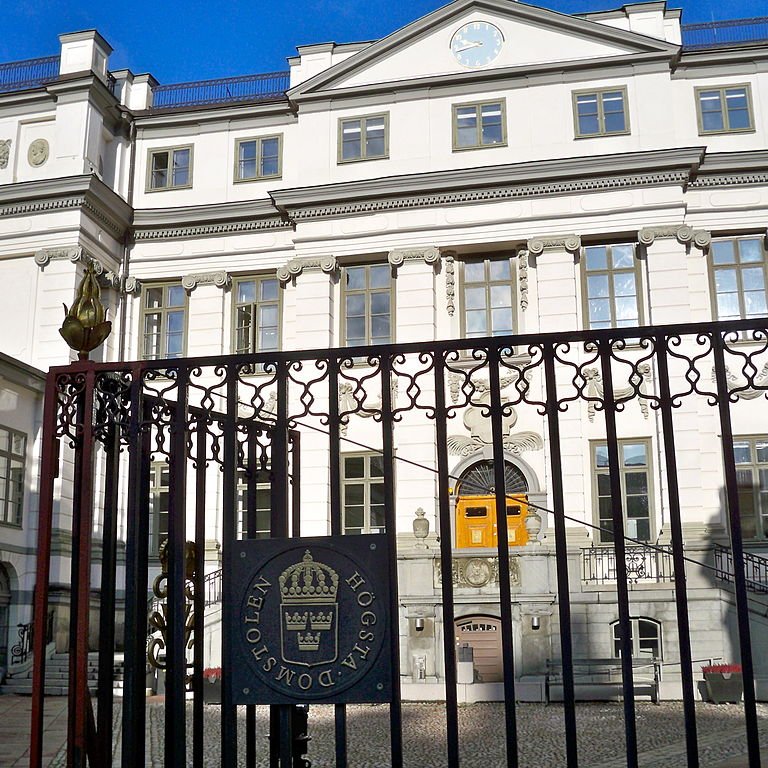
The South Sudan Blood Oil Trial in Sweden Nears Its Judgment
After a historic three-year legal battle, corporate executives face a definitive reckoning over their alleged complicity in a brutal resource war. Stockholm prosecutors have concluded their closing arguments, seeking multi-year prison sentences for two former Lundin Oil executives accused of aiding and abetting war crimes in Sudan between 1999 and 2003, before South Sudan’s independence.
The Ghost Ledger: How South Sudan has Entered a State of Total Fiscal Suspension
South Sudan has transitioned from a state of procedural delay to one of total fiscal suspension, attempting to authorize a 2025-2026 budget for a year that has functionally elapsed while ignoring the looming 2026-2027 statutory deadline. The executive branch has replaced formal financial oversight with a series of summary removals, resulting in the rapid displacement of ten Finance Ministers in recent years and the displacement of the head of the legislature. This institutional decay leaves the national treasury operating in a legal vacuum where public expenditure proceeds without the mandate of an active Appropriation Act.
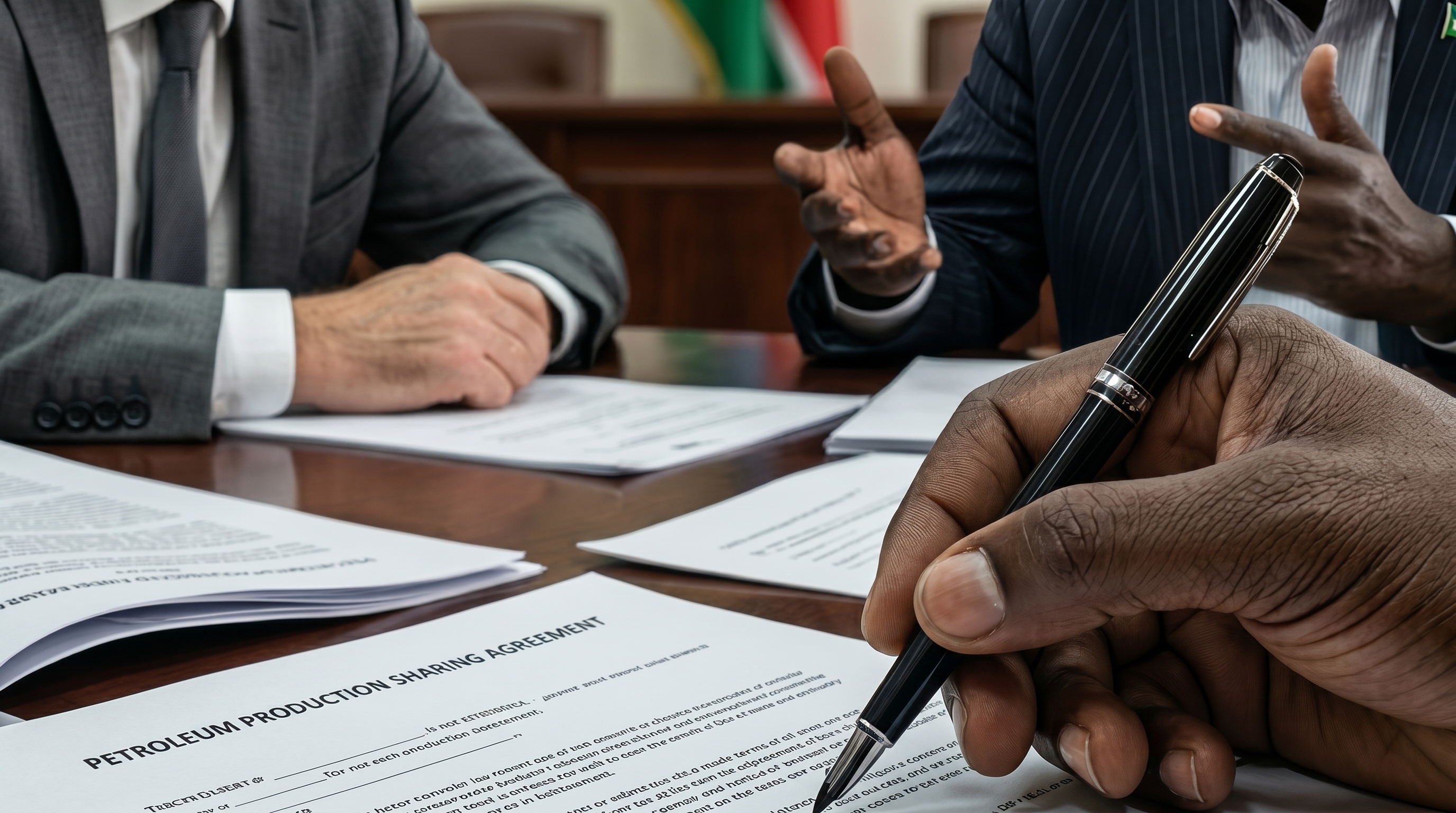
HOW SOUTH SUDAN'S CONSTANT CONTRACT BREACHES GIVE RISE TO $2B PLUS INDEFENSIBLE LEGAL BATTLE
The Republic of South Sudan is drowning in over $2.3 billion of international litigation sparked by a systemic culture of contractual bad faith and administrative paralysis. Despite progressive investment laws on the books, Juba’s habit of ignoring signed settlements and arbitrarily seizing assets has transformed the nation into a primary "no-go" zone for global capital.

South Sudan’s Defiance of the ACHPR Ruling Illegally Profits Terab Radio 87.6 FM
In its latest ruling, the African Commission condemned South Sudan for state-sanctioned land grabs, but Juba had already turned the illegally seized site into government-backed radio 87.6 Terab FM, hosting ministers and laundering the violation into a private asset for Mading Ngor Akec.
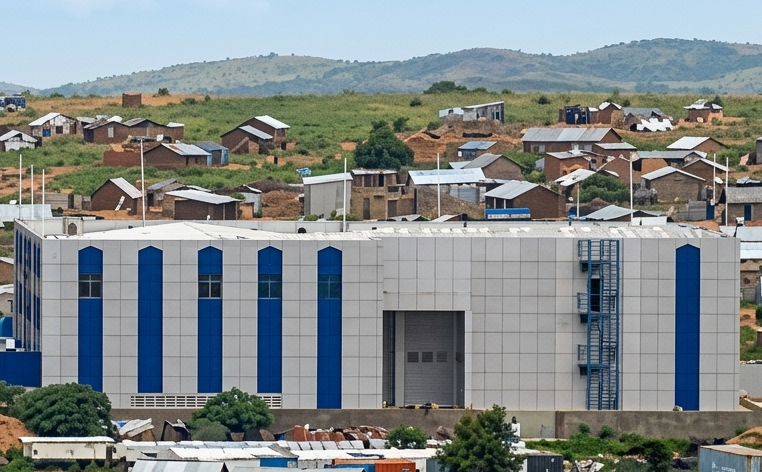
The Blue House in Court: South Sudan’s Widely Condemned National Security Law Faces EACJ Reckoning
The East African Court of Justice is weighing a pivotal challenge to South Sudan’s National Security Service Amendment Act, which preserves warrantless arrest powers despite constitutional safeguards—a key test (Reference No. 43 of 2024) of regional judicial supremacy over domestic repression laws.
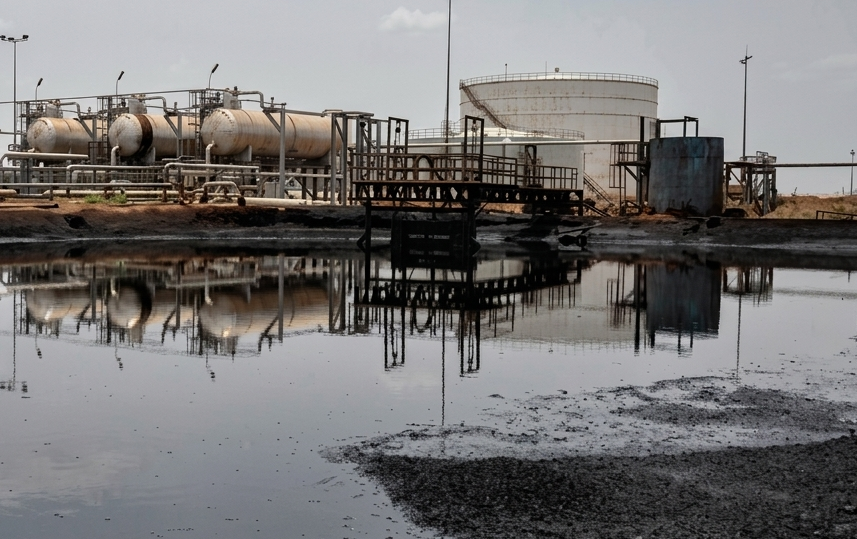
Toxic Defiance: How South Sudan Is Ignoring the Law and Poisoning its Future
The Republic of South Sudan remains in breach of a landmark mediated settlement to remediate catastrophic oil pollution in its northern wetlands. Despite a 2021 East African Court of Justice decree, the government’s failure to properly audit toxic spills has sparked a new legal crisis over regional treaty compliance.

AU Peace and Security Council Reiterates Call for the Release of First Vice President Riek Machar
Following its 1343rd meeting held on April 30, 2026, AU Peace and Security Council Calls for the Release of First Vice President Riek Machar from Detention in Juba.
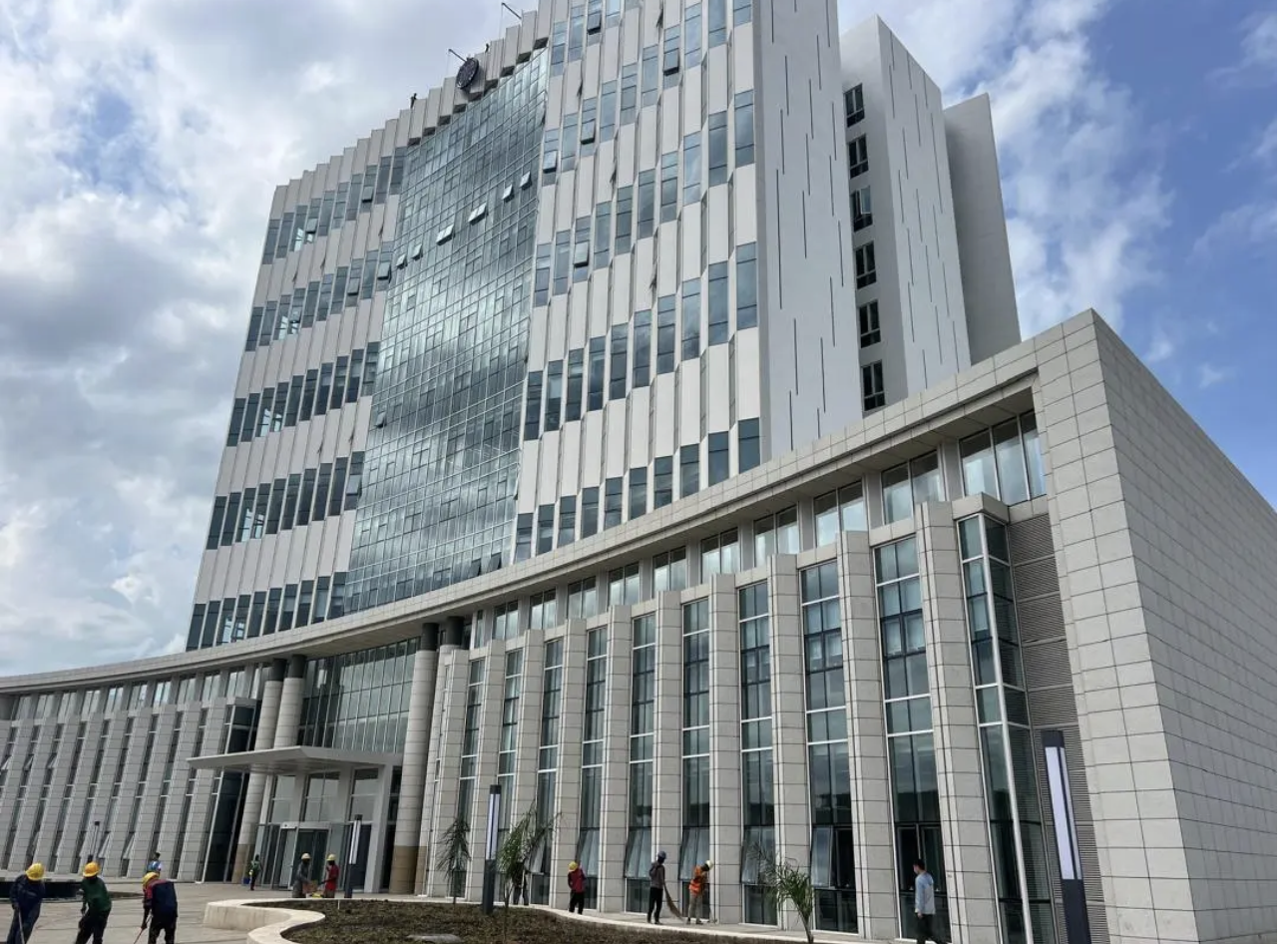
D.C. District Court Rejects South Sudan’s Motion to Strike, Ordering May 8 Response to QNB’s Evidence
Judge Timothy denied the Bank of South Sudan’s motion to strike, permitting Qatar National Bank’s late-filed statement of facts to remain on the record, in a high-stakes $1 billion enforcement battle involving sovereign default and allegations of state control.
How Michael Makuei Nearly Torched South Sudan’s Peace Accord
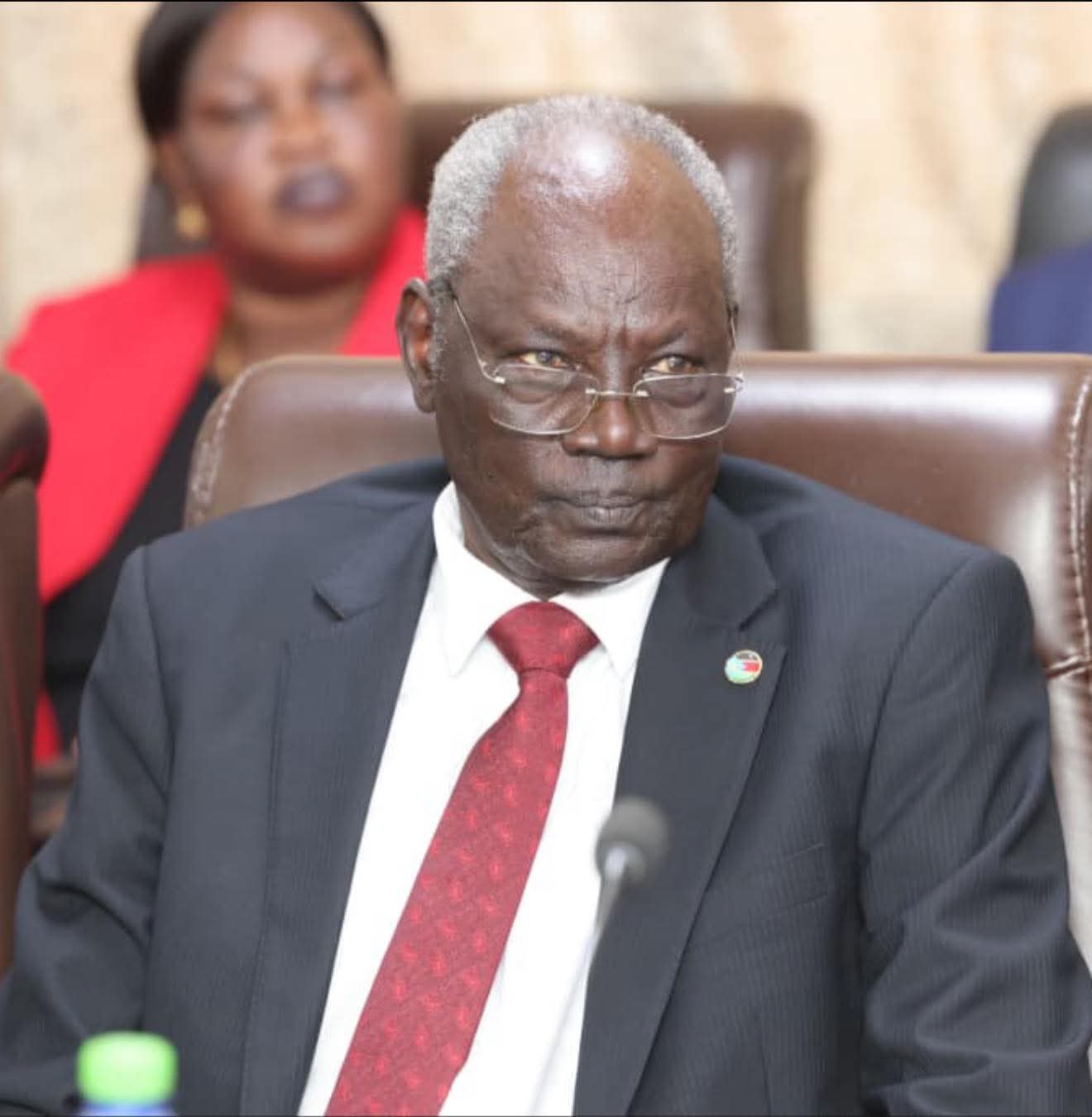
In a high-stakes gamble that bordered on institutional suicide, Justice Minister Michael Makuei Lueth attempted to dismantle the very legal framework that grants South Sudan’s government its authority. By branding the 2018 peace agreement “originally defective” and moving to bypass mandatory international oversight, Makuei didn’t just trigger a constitutional crisis—he attempted a "legal coup”. The maneuver has backfired, leaving the transitional government in a state of terminal paralysis, rejected by its own submissive parliament and stripped of its remaining domestic and international credibility.
South Sudan Embarks on Recruiting More Judges, More than a Hundred Interviewed So Far
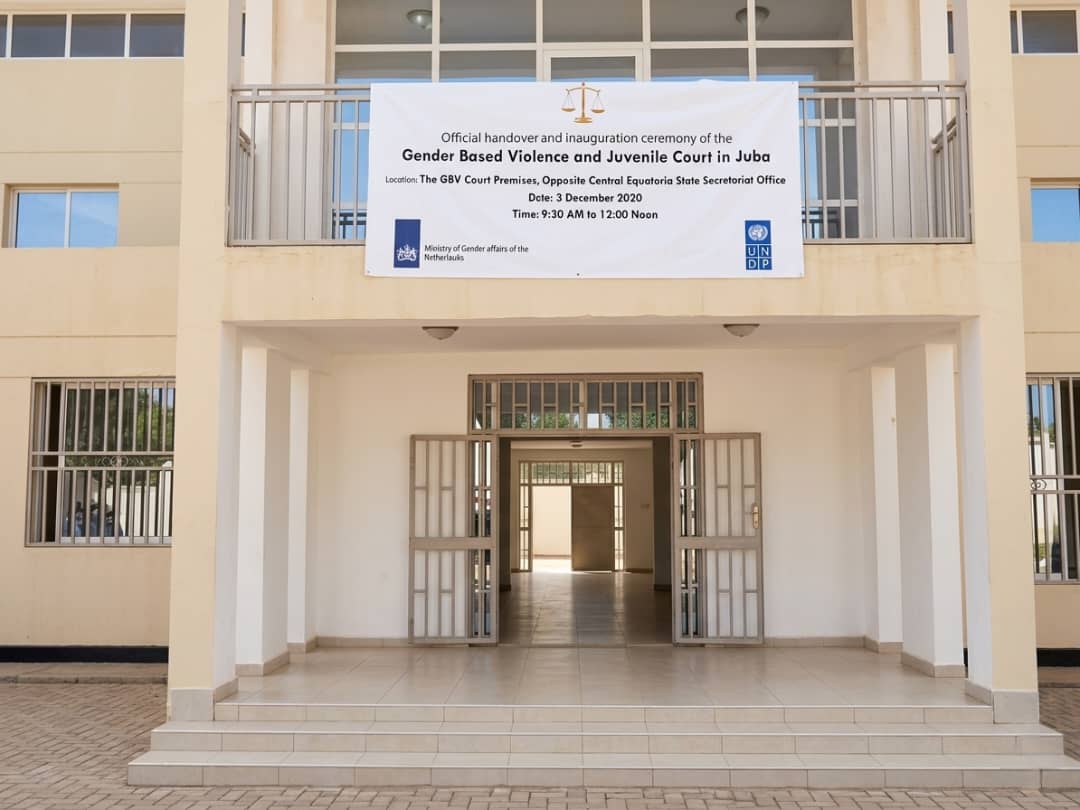
South Sudan is filling more than 100 judicial vacancies under a 2008 obsolete legal framework. While the government frames this recruitment as a necessary expansion ahead of the December 2026 elections, the process is unfolding without the institutional reforms mandated by the 2018 peace agreement. This vacuum of oversight suggests the new bench may serve as a political instrument of the executive rather than an independent arbiter of the rule of law.