
The South Sudan Blood Oil Trial in Sweden Nears Its Judgment
The Index Post
May 12, 2026
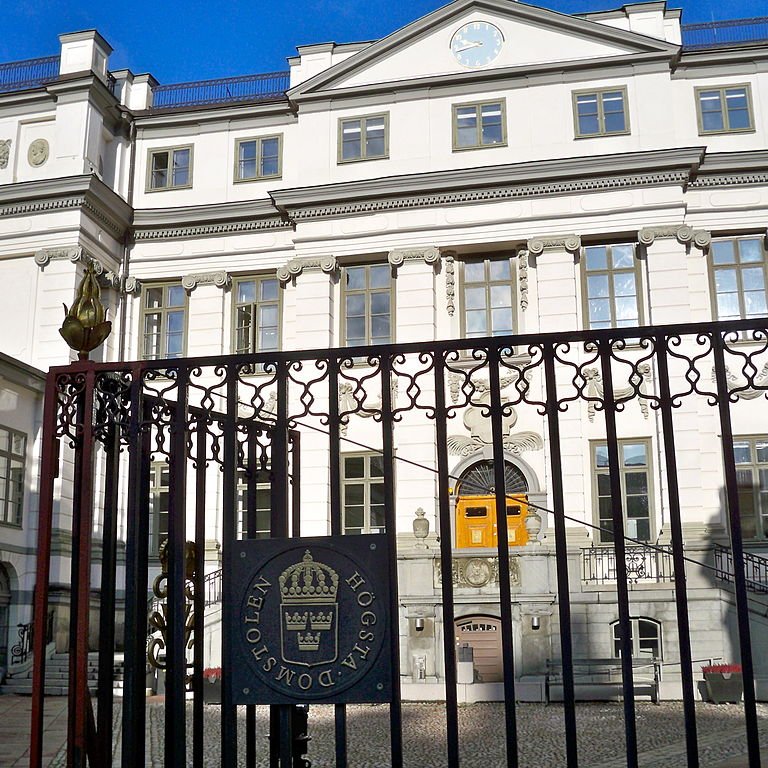
Stockholm District Court - Sweden
After a historic three-year legal battle, corporate executives face a definitive reckoning over their alleged complicity in a brutal resource war. Stockholm prosecutors have concluded their closing arguments, seeking multi-year prison sentences for two former Lundin Oil executives accused of aiding and abetting war crimes in Sudan between 1999 and 2003, before South Sudan’s independence.
Stockholm, Sweden - The case, which includes a record 2.4 billion SEK forfeiture claim against Orrön Energy, establishes a significant legal precedent for the scrutiny of multinational leadership in conflict zones. After a trial spanning two and a half years, the Stockholm District Court is nearing a verdict in the historic prosecution of Ian Lundin and Alexandre Schneiter. Prosecutors allege the pair prioritized commercial gains in Sudan over human rights, complicit in a regime’s scorched-earth campaign to secure oil fields.
The prosecution’s case rests on the assertion that Ian Lundin, former Chairman of Lundin Oil, and Alexandre Schneiter, former CEO, exercised decisive influence over the company's operations in Block 5A during the second Sudanese civil war. The indictment details 11 specific acts of complicity where the defendants allegedly demanded that the Sudanese government and its military take control of operational areas, fully aware that such control would necessitate indiscriminate attacks on civilians.
The prosecution frames the conflict as a "war by proxy" fueled by the economic drivers of oil exploitation. They argue that the Sudanese regime, led by Omar al-Bashir, utilized a "divide and rule" strategy, arming local militias to depopulate regions intended for oil infrastructure. According to the prosecution, the Lundin Consortium entered into an Exploration and Production Sharing Agreement (EPSA) in 1997 with the knowledge that the government’s disregard for human rights was thoroughly documented.
Central to the charges is point 9a, alleging that between May 3 and 17, 1999, Ian Lundin decided to demand that the Sudanese military take over responsibility for securing Block 5A. This demand allegedly followed the discovery of oil at the Thar Jath drilling site, an event that the prosecution claims turned a relatively calm area into a battlefield. The military intervention that followed resulted in the killing and displacement of civilians, which the prosecution labels as a direct consequence of the company's security requirements.
In their closing arguments, lead prosecutor Henrik Attorps introduced a "complicity ladder," a legal framework suggesting that each act of participation by the executives sustained a joint project with the regime. Surprising some observers, the prosecution chose to rely solely on "reckless intent" (dolus eventualis) rather than direct intent. Under Swedish law, this threshold is met if the defendants were aware of the significant risk that the military would commit crimes and remained indifferent to that outcome.
The prosecution contends that the level of risk was heightened by the nature of the Sudanese government, which was the company’s primary contractual partner. They argue that Lundin and Schneiter demonstrated a high tolerance for risk, embracing a strategy of operating in high-risk environments while disregarding the ethical implications of their presence. This indifference was allegedly evidenced by the company's continued demands for military protection despite regular security reports detailing "massive military engagement," "displacement," and "cleansing".
The defense teams for Lundin, Schneiter, and Orrön Energy (formerly Lundin Petroleum) have maintained a total denial of all charges. Their primary argument is that the conflicts in Block 5A were independent of oil operations, stemming from long-standing tribal disputes between Nuer and Dinka factions. Defense attorney Torgny Wetterberg asserted that the essential facts of the indictment were "fabricated" and lacked support in the preliminary investigation.
The defense heavily scrutinized the reliability of the evidence, particularly NGO reports from organizations like Christian Aid and Human Rights Watch. They characterized these reports as "war propaganda" influenced by the SPLA rebel movement. Specifically, they challenged the "scorched earth" narrative, presenting internal reports that claimed infrastructure like the All-Weather Road actually benefited the local population and that civilians fled to regime-controlled areas for safety and aid.
Regarding personal liability, the defense argued that operational decisions were made by the consortium as a whole, not by individual executives. They emphasized that Alexandre Schneiter was often based in Geneva, focusing on technical data rather than ground-level military movements. Furthermore, they claimed that the company frequently urged the Sudanese government to find peaceful solutions to the conflict, which they argued broke any alleged chain of complicity.
The Human Cost of Block 5A - The trial featured testimony from 32 plaintiffs who recounted atrocities including aerial bombardments by Antonov cargo planes and low-altitude attacks by helicopter gunships. Pastor James Kuong Ninrew Dong, the first plaintiff to testify, described a three-stage military strategy: aerial bombing, followed by gunship attacks, and finally ground troops clearing the area for road construction.
Gatkuoth Liah Diu, who appeared as a child soldier in a 2001 documentary meeting Ian Lundin, testified that he joined a militia only after his mother and siblings were killed in a helicopter attack. He claimed the Lundin company's workers initially arrived with red flags and T-shirts, but the "trouble started" when they asked local chiefs to tell civilians to leave because oil had been found.
The defense utilized cross-examinations to highlight discrepancies between current testimonies and statements made to the police or in the earlier Talisman lawsuit. They suggested that the plaintiffs' accounts were part of a "conspiracy against the oil industry" coordinated by activists. The prosecution countered that such details as exact dates were understandably blurred by the passage of time and the trauma of the events, and that the "core experiences" remained consistent and accurate.
A significant portion of the trial addressed the liability of Orrön Energy AB. The company argues that it should not be held responsible for the actions of its predecessors, noting that Lundin Petroleum AB (LPAB) did not exist for more than half of the indictment period. Defense counsel for Orrön Energy argued that business operations were conducted by the subsidiary Sudan Ltd., a separate legal entity, and that LPAB focused only on strategic group matters.
The prosecution’s forfeiture claim of approximately 2.4 billion SEK represents the alleged economic benefit gained from the sale of Block 5A to Petronas in 2003. While the defense argues that the $142.5 million sale price was purely a reflection of the Thar Jath discovery made before the alleged crimes, the prosecution maintains that the value was sustained and enhanced by the illegal military operations that secured the territory.
Expert witness Mikael Runsten testified for the prosecution, arguing that the profit from the sale benefited the entire corporate group and that the parent company should be viewed as the same economic entity as its subsidiaries. The defense's expert, Jodi Anhorn, contended that infrastructure like roads did not add significant value to the sale, as value in the oil industry is primarily driven by pipelines and confirmed reserves.
Procedural Challenges and Legal Precedents - The trial has been marked by several procedural complications. Judge Tomas Zander faced a conflict of interest report from plaintiff counsel Thomas Bodström regarding the handling of powers of attorney, though the court ultimately dismissed the claim. More significantly, the court decided to separate the victims' civil claims for damages from the criminal proceedings, forcing the plaintiffs to pursue 27 separate civil suits under Sudanese law. This decision shifted the burden of litigation costs to the victims and required non-EU plaintiffs to provide substantial collateral for the defendants' legal fees.
Additionally, an earlier investigation into allegations of obstruction of justice—including claims that Lundin Petroleum representatives offered bribes or threatened witnesses—was reopened following Gatkuoth Liah Diu’s testimony. While Ian Lundin and Alexandre Schneiter have consistently denied involvement in witness tampering, the reopening of the probe adds another layer of complexity to the final stages of the trial.
In their final summation, the prosecution requested a 10-year prison sentence for Ian Lundin, the maximum fixed-term penalty under Swedish law for gross violations of international law. For Alexandre Schneiter, they requested 6 years. They also petitioned for a 10-year business prohibition for both men and the maximum corporate fine of 3 million SEK for the company.
Perhaps the most unexpected request was the prosecution’s call for both defendants to be detained immediately upon the announcement of a verdict, citing a "concrete risk of flight".
As the case moves toward the defense's final arguments and the court's deliberation, the Lundin trial stands as a landmark test of universal jurisdiction. It challenges the legal boundaries of corporate accountability, forcing the court to decide whether senior executives can be held criminally liable for the human cost of a business venture conducted in partnership with a violent regime.
More from The Index Post

Kenya’s Judicial Service Commission Pushes for Data-Driven Accountability of Judges
The Kenyan Judiciary is transitioning to a transparent framework that mandates the publication of individual performance data for judges to ensure constitutional accountability. This shift requires court leadership to prioritize metrics like case clearance rates and public perception to maintain the institutional record.

SOUTH SUDAN JUDICIARY MANDATES ENGLISH FOR COURT JUDGMENTS: A DRAMATIC LEGAL PIVOT TOWARD THE EAST AFRICAN COMMUNITY
All judges in the Republic of South Sudan shall write their judgments in English with effect from 1st June, 2026, the Chief Justice declared.

Kenyan Court Deals Blow to Bank of South Sudan as Millions are Seized for State Debt
In a dramatic ruling that underscores the vulnerability of sovereign assets, the Kenyan Court of Appeal has paved the way for a landmark legal battle over central bank independence—even as it admitted the specific funds at the heart of the dispute have already vanished.

South Sudan’s Defiance of the ACHPR Ruling Illegally Profits Terab Radio 87.6 FM
In its latest ruling, the African Commission condemned South Sudan for state-sanctioned land grabs, but Juba had already turned the illegally seized site into government-backed radio 87.6 Terab FM, hosting ministers and laundering the violation into a private asset for Mading Ngor Akec.

AU Peace and Security Council Reiterates Call for the Release of First Vice President Riek Machar
Following its 1343rd meeting held on April 30, 2026, AU Peace and Security Council Calls for the Release of First Vice President Riek Machar from Detention in Juba.
D.C. District Court Rejects South Sudan’s Motion to Strike, Ordering May 8 Response to QNB’s Evidence
Judge Timothy denied the Bank of South Sudan’s motion to strike, permitting Qatar National Bank’s late-filed statement of facts to remain on the record, in a high-stakes $1 billion enforcement battle involving sovereign default and allegations of state control.
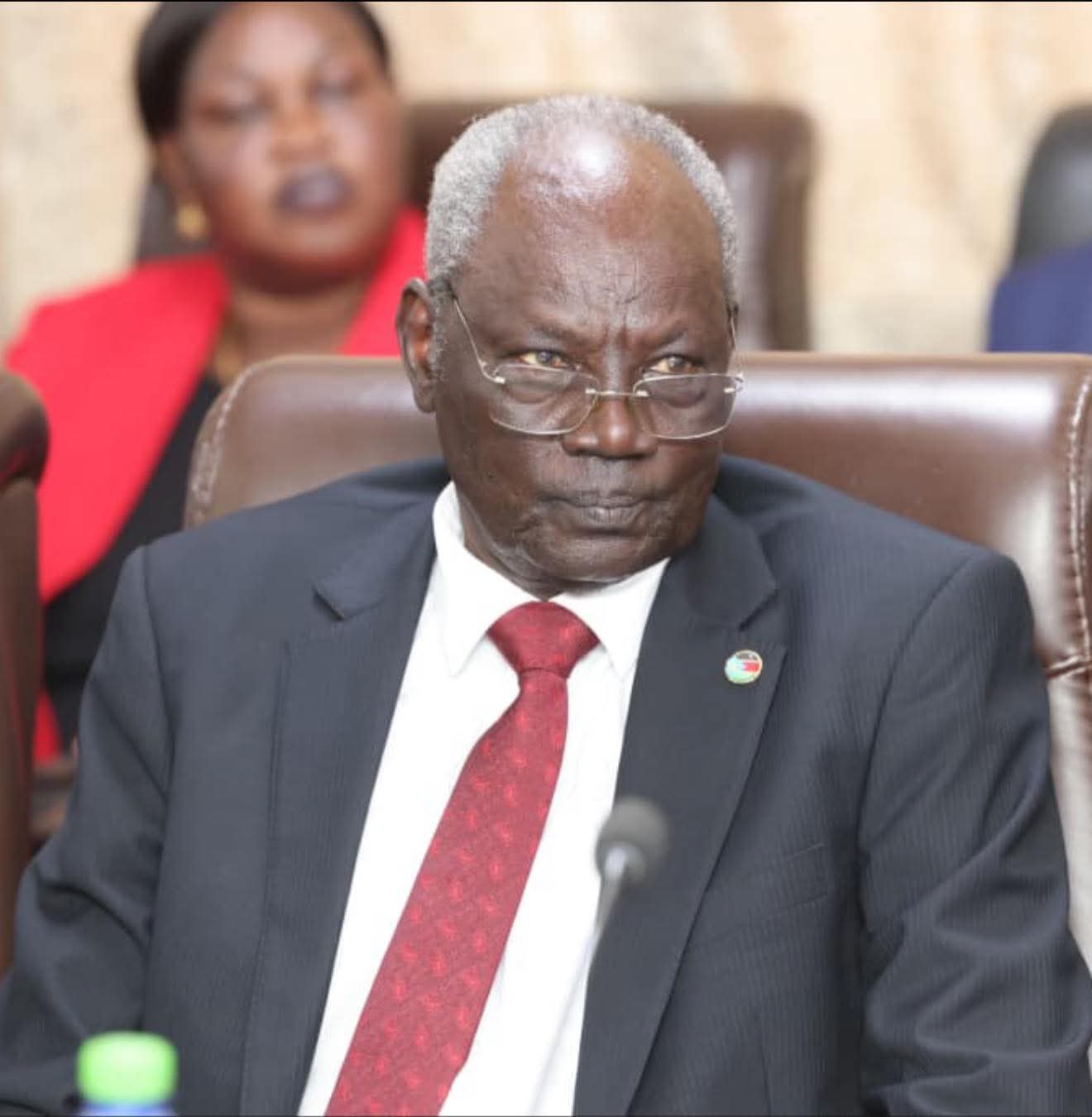
How Michael Makuei Nearly Torched South Sudan’s Peace Accord
In a high-stakes gamble that bordered on institutional suicide, Justice Minister Michael Makuei Lueth attempted to dismantle the very legal framework that grants South Sudan’s government its authority. By branding the 2018 peace agreement “originally defective” and moving to bypass mandatory international oversight, Makuei didn’t just trigger a constitutional crisis—he attempted a "legal coup”. The maneuver has backfired, leaving the transitional government in a state of terminal paralysis, rejected by its own submissive parliament and stripped of its remaining domestic and international credibility.
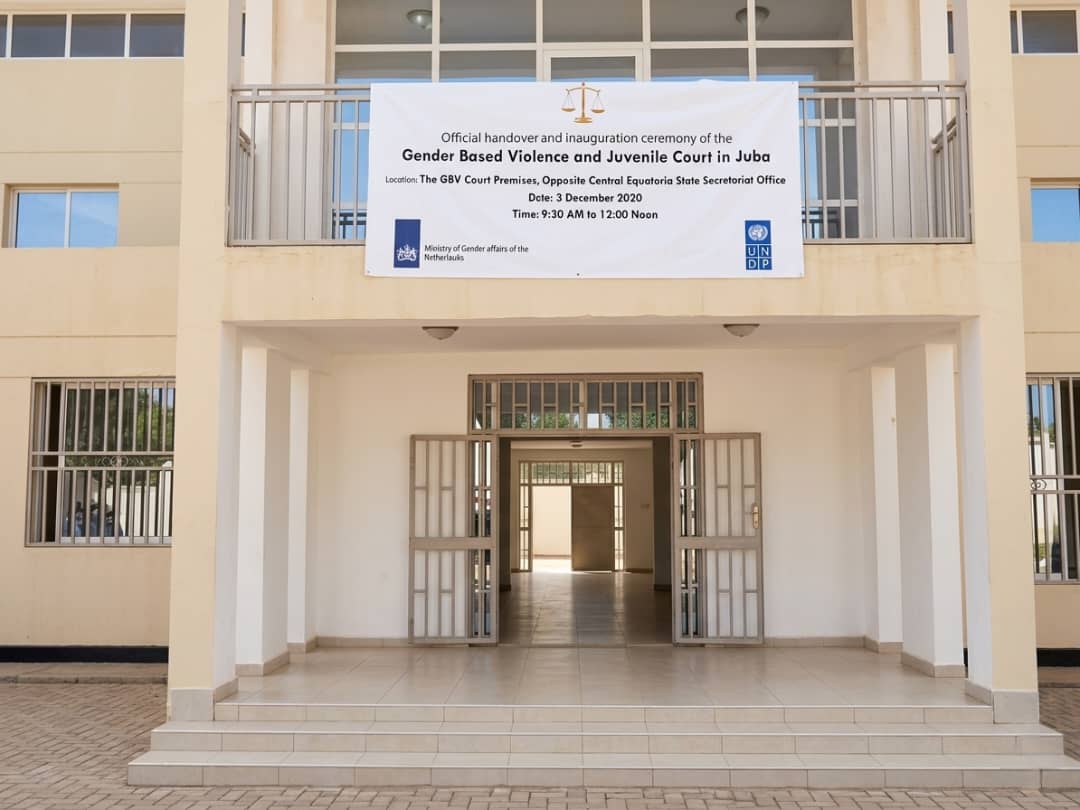
South Sudan Embarks on Recruiting More Judges, More than a Hundred Interviewed So Far
South Sudan is filling more than 100 judicial vacancies under a 2008 obsolete legal framework. While the government frames this recruitment as a necessary expansion ahead of the December 2026 elections, the process is unfolding without the institutional reforms mandated by the 2018 peace agreement. This vacuum of oversight suggests the new bench may serve as a political instrument of the executive rather than an independent arbiter of the rule of law.
Sanctioned By the African Union, South Sudan Has Lost Its Floor and Votes. Paralysed For The Upcoming AU Summit
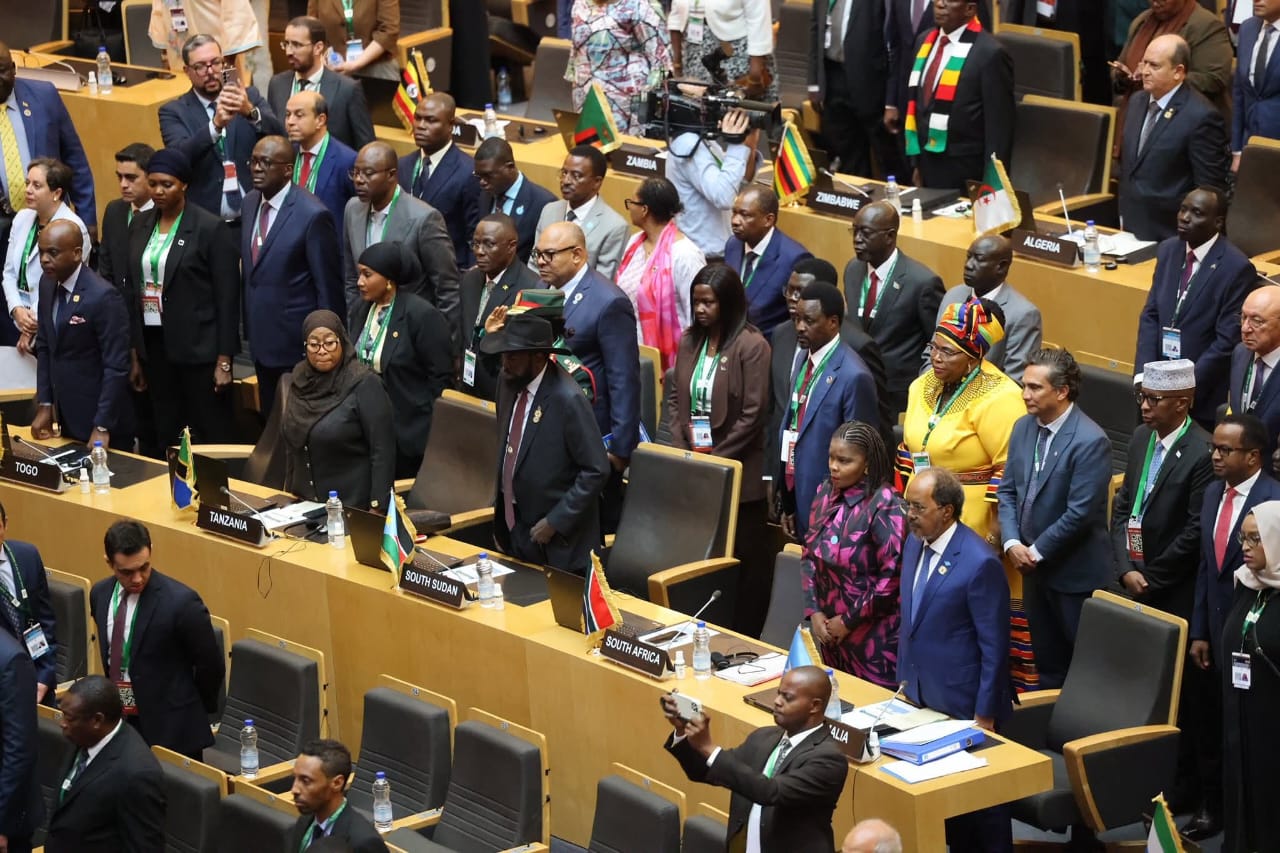
South Sudan enters this month’s high-level summits in Egypt as a diplomatic ghost, stripped of its right to speak or vote following a February decision by the African Union to enforce rigid financial sanctions. Unless Juba clears arrears estimated between $3 million and $6 million, the world’s youngest nation faces a total administrative freeze and the loss of its membership rights by 2027.

South Sudan Government's Policy Stagnation Fuels Another UN Sanctions Extension
Every uninvestigated atrocity, every warlord integrated into the state payroll without accountability, strengthens the hand of those in New York and other capitals who argue that sanctions must not only continue but be tightened. Washington maintains that any influx of weapons into a fractured polity where commanders have repeatedly turned arms on civilians would inevitably escalate internal strife. Juba’s envoys, tasked with making the case for relief, are left with a brief devoid of deliverables, forced to rely on appeals to sovereignty that sound increasingly hollow when the sovereign in question cannot control its own military or protect its own citizens.
Juba Retreats from Unilateral Peace Deal Amendment After Western Pressure
South Sudan's cabinet abandoned a controversial plan to weaken the legal authority of the 2018 peace agreement following severe international backlash. The reversal preserves the deal’s status as the supreme legal framework ahead of the country's planned 2026 general elections.

Selecting the "Correct" Opposition: The Decree that Ate the Legislature
The presidential revocation of 47 SPLM-IO Members of Parliament marks a definitive crisis for the 2018 Revitalised Peace Agreement. By asserting executive authority to reshape the opposition’s legislative wing, President Salva Kiir has not merely engaged in a personnel shuffle; he has challenged the foundational principles of power-sharing and collegial collaboration. In doing so, the Presidency has exposed a dangerous gap between the "Supreme Law" of the land and the political reality of rule by decree, threatening to turn the 2026 transition into an institutional dead end.
The Ghost Ledger: How South Sudan has Entered a State of Total Fiscal Suspension
South Sudan has transitioned from a state of procedural delay to one of total fiscal suspension, attempting to authorize a 2025-2026 budget for a year that has functionally elapsed while ignoring the looming 2026-2027 statutory deadline. The executive branch has replaced formal financial oversight with a series of summary removals, resulting in the rapid displacement of ten Finance Ministers in recent years and the displacement of the head of the legislature. This institutional decay leaves the national treasury operating in a legal vacuum where public expenditure proceeds without the mandate of an active Appropriation Act.
HOW SOUTH SUDAN'S CONSTANT CONTRACT BREACHES GIVE RISE TO $2B PLUS INDEFENSIBLE LEGAL BATTLE
The Republic of South Sudan is drowning in over $2.3 billion of international litigation sparked by a systemic culture of contractual bad faith and administrative paralysis. Despite progressive investment laws on the books, Juba’s habit of ignoring signed settlements and arbitrarily seizing assets has transformed the nation into a primary "no-go" zone for global capital.
The Blue House in Court: South Sudan’s Widely Condemned National Security Law Faces EACJ Reckoning
The East African Court of Justice is weighing a pivotal challenge to South Sudan’s National Security Service Amendment Act, which preserves warrantless arrest powers despite constitutional safeguards—a key test (Reference No. 43 of 2024) of regional judicial supremacy over domestic repression laws.
Toxic Defiance: How South Sudan Is Ignoring the Law and Poisoning its Future
The Republic of South Sudan remains in breach of a landmark mediated settlement to remediate catastrophic oil pollution in its northern wetlands. Despite a 2021 East African Court of Justice decree, the government’s failure to properly audit toxic spills has sparked a new legal crisis over regional treaty compliance.

ACHPR Ruling on South Sudan Nationality Case Sets New Precedent for African Citizenship Rights
The African Commission ruled South Sudan’s arbitrary stripping of a high-level official’s nationality—leaving her stateless—violated the African Charter’s dignity clause, and setting a new precedent for citizenship rights in Africa.